Sheyola: The Chic Script Font for Handmade Brands
As a maker, you know that the difference between a product that sells and one that sits on the shelf often comes down to presentation. We pour our hearts into the physical creation of our goods, whether it is pouring soy wax candles, stitching custom tote bags, or designing intricate wedding invitations. However, the typography we choose to label and market these items acts as the voice of our brand. It is the first thing a customer sees, and it sets the tone for their entire experience. This is why finding the right typeface is so critical for small shop owners and crafters. Enter Sheyola, a gorgeous looking and chic script font that has quickly become a staple in my design toolkit for creating high-end, professional-looking products.
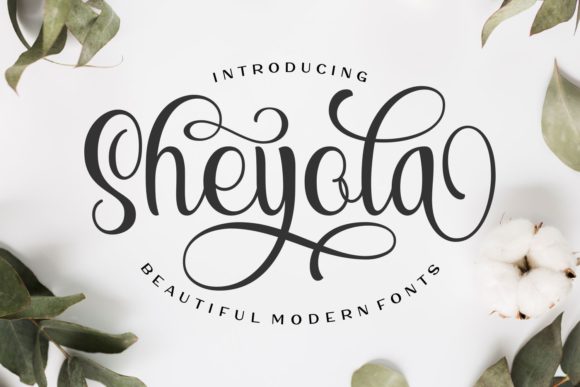
What makes Sheyola stand out in a sea of digital downloads is its perfect balance of elegance and readability. Many script fonts lean too far into whimsy, becoming illegible at smaller sizes, or they are so rigid they lack soul. Sheyola strikes a sweet spot. It possesses the fluid, organic motion of a genuine handwritten font, giving your designs a personal, human touch that resonates with buyers looking for authenticity. Yet, it maintains enough structure to remain clear on product labels, packaging, and signage. When I use this script font for my boutique tags, customers often comment on how "expensive" the branding looks, which allows me to justify higher price points for my handmade goods.
Elevating Product Packaging and Labels
In the world of handmade sales, packaging is part of the product. A simple jar of honey or a bar of soap transforms into a giftable item when adorned with the right label. Sheyola excels here because of its versatile stroke weight. It is bold enough to be read on a small circular sticker but delicate enough to look refined on a minimalist kraft paper tag. I have used it extensively for candle labels, where the chic curves of the letters complement the soft glow of the flame, creating a cohesive aesthetic that feels luxurious.
One of the most powerful features of Sheyola is that it is PUA encoded. For those of us who spend hours in design software like Cricut Design Space, Silhouette Studio, or Adobe Illustrator, this is a game-changer. PUA (Private Use Area) encoding means you can access all the hidden glyphs, swashes, and alternates with ease, without needing complex OpenType panels. You can simply type a character and swap it for a flourish-heavy alternative directly from the character map. This allows for true customization. You can create unique ligatures for specific letter combinations, ensuring that no two product labels look exactly the same. This level of detail adds a layer of bespoke quality that mass-produced commercial font options often lack.
Ideal Applications for Crafters and Sellers
The versatility of Sheyola makes it suitable for a wide array of projects beyond just packaging. Because it is a display font at heart, it shines when used for short phrases, names, titles, and decorative wording. Here are some practical ways I integrate this creative font into my business workflow:
- Wedding Stationery: The romantic flow of Sheyola is perfect for wedding invitations, save-the-dates, and place cards. It pairs beautifully with formal paper stocks and creates an immediate emotional connection with guests.
- Home Decor Signs: For farmhouse-style wood signs or modern nursery art, this font provides that popular "modern typography" look that sells well on Etsy and at local craft fairs.
- Digital Printables: If you create planner pages, wall art, or greeting cards for digital download, Sheyola adds a polished finish that encourages customers to purchase your templates over free alternatives.
- Apparel and Totes: When cutting heat transfer vinyl (HTV) for shirts or tote bags, the connected strokes of Sheyola hold together well, provided you use appropriate bridge settings for very thin connectors. It looks stunning on pocket tees and boutique shopping bags.
- Seasonal Products: From holiday gift tags to Halloween party favors, the chic nature of this font elevates seasonal items from novelty to keepsake.
Strategic Font Pairing for Brand Identity
While Sheyola is stunning on its own, its true potential is unlocked when paired with complementary typefaces. A common mistake new sellers make is using a script for everything, which can overwhelm the viewer. To build a strong brand identity, I recommend pairing this expressive script with a clean sans serif font. For example, use Sheyola for the product name or main headline, and a simple geometric sans serif for the ingredients list, address, or descriptive text. This contrast improves readability and guides the customer's eye through the design hierarchy.
Alternatively, for a more traditional or editorial look, try pairing Sheyola with a classic serif font. This combination works exceptionally well for wedding suites and high-end cosmetic packaging, evoking a sense of timeless sophistication. The key is to let Sheyola be the star—the emotional hook—while the secondary font handles the informational heavy lifting. This approach ensures your packaging design and logo design elements remain functional while retaining their artistic charm.
Readability and Production Tips
When working with any script font for physical products, readability is paramount. While Sheyola is designed to be legible, you must consider the scale of your application. For tiny stickers or detailed product labels, avoid using excessive swashes that might clutter the design or make letters hard to distinguish. Always print a test sheet before committing to a full production run. Check how the ink sits on your specific material; some textured papers can cause fine lines in scripts to break up, so adjusting the boldness or size slightly may be necessary.
If you are using cutting machines, remember that connected scripts require careful weeding. The PUA encoded features in Sheyola allow you to choose alternate characters that might have thicker connections, making the cutting and weeding process smoother for vinyl users. For digital mockups, ensure you are viewing your designs at 100% zoom to gauge how the final customer will perceive the text on their screen or in their hands.
Licensing and Commercial Use
Finally, a crucial note for all small business owners: always verify your licensing terms. When purchasing Sheyola or any premium font, ensure you have the correct license for your intended use. Most commercial licenses for fonts like this allow you to use the typeface in logos, physical products for sale, and client work. However, if you plan to sell the font file itself, create editable templates where the end-user can extract the font, or use it in web design where the file is embedded, you may need an extended license. Protecting your business means respecting intellectual property, and investing in a properly licensed design asset like Sheyola ensures you can sell your creations with confidence and peace of mind.
Incorporating Sheyola into your creative workflow is more than just choosing a pretty set of letters; it is an investment in the perceived value of your brand. Its chic aesthetic, combined with the technical ease of PUA encoding, makes it an indispensable tool for anyone serious about elevating their handmade products, stationery designs, and digital offerings.