Qulegaf: A Script Font That Elevates Your Brand Identity
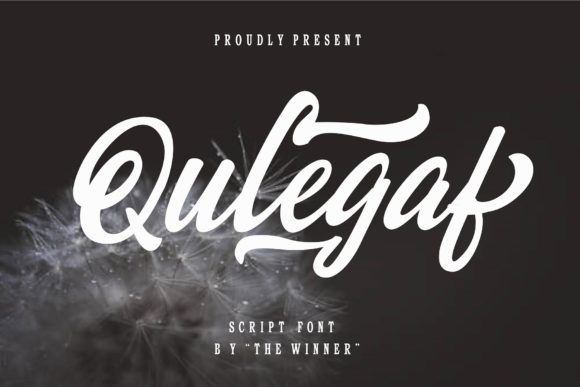
I remember staring at my stack of plain white bakery boxes last Tuesday, feeling a little defeated. The pastries inside were perfect—golden, flaky, and delicious—but the packaging looked like something I could have bought at a dollar store. I knew my brand needed a voice, something warm and inviting that matched the care I put into every recipe. That's when I decided to stop settling for generic templates and started looking for a typeface that could truly tell my story. That search led me to Qulegaf, a lovely paint brushed script font that completely changed how I approach my business visuals.
Choosing the right font isn't just about picking something that looks pretty; it is about finding a visual partner that helps your customers trust you. When I first saw Qulegaf, I was struck by its personality. It feels hand-painted, with organic strokes that mimic the movement of a real brush. Unlike stiff, digital-looking scripts, this script font has a natural flow that feels human and approachable. For a small business owner, that distinction is vital. It tells your audience that there is a real person behind the product, someone who cares about the details.
Transforming Everyday Business Materials
The moment I installed Qulegaf into my design software, I wanted to test it everywhere. I started with the most obvious place: my product labels. I designed a new sticker for my sourdough loaves, using Qulegaf for the main title. The result was instant magic. The text didn't just sit on the label; it danced across it. The brush-like texture added a layer of depth that made the packaging feel premium without costing a fortune in printing upgrades.
But the versatility of this creative font goes far beyond just labels. Here is how I began integrating it into various parts of my brand identity:
- Logo Design: I used Qulegaf to refine my main logo, giving it a softer, more artisanal feel that stands out against competitors.
- Social Media Graphics: My Instagram stories and posts suddenly looked cohesive. Using this display font for quotes and announcements made my feed look professionally curated.
- Thank-You Cards: I printed simple cards with a handwritten-style note using Qulegaf, adding a personal touch that customers loved.
- Menu Boards: For my café corner, I redesigned the chalkboard menu headers with this font, making the specials pop with artistic flair.
- Packaging Design: From cake boxes to cookie bags, the consistent use of this typeface tied all my physical products together.
It is amazing how a single design asset can ripple through your entire operation. Suddenly, my business didn't look like a hobby anymore; it looked like a established brand. Customers started commenting on how "polished" everything looked, even though the only thing I had really changed was the typography.
Why Typography Matters for First Impressions
In the world of online selling and local retail, you often have only a few seconds to make an impression. If your visuals are cluttered or your fonts are hard to read, potential buyers might scroll right past you. Typography affects brand perception more than many entrepreneurs realize. A messy font can signal carelessness, while a well-chosen premium font like Qulegaf signals quality and attention to detail.
Qulegaf works exceptionally well for headlines, short phrases, and logos. Because it is a brush script, it carries a lot of visual weight and emotion. However, like any handwritten font, it needs to be used strategically to maintain readability. I learned quickly that while it is perfect for the name of my bakery on a box, it wasn't the best choice for the ingredient list in tiny print. For those smaller details, I paired it with a clean sans serif font. This combination created a beautiful balance: the warmth of the script drew people in, and the clarity of the sans serif ensured they could read the important information easily.
Practical Tips for Using Qulegaf in Your Shop
If you are considering adding Qulegaf to your library, here are a few practical lessons I learned along the way to ensure you get the best results for your brand identity:
- Mind the Size: Brush scripts shine when they have room to breathe. Use them for larger text on packaging, website banners, or social media thumbnails. Avoid shrinking them too much for small labels where the brush details might blur.
- Check Contrast: Because Qulegaf has a textured, painted look, it pops best against solid, contrasting backgrounds. Try it on dark kraft paper or bright white cards for maximum impact.
- Pair Wisely: Don't be afraid to mix styles. Pairing this script font with a modern serif font can give your brand an elegant, editorial look, while pairing it with a geometric sans serif keeps things fresh and contemporary.
- Consistency is Key: Once you choose Qulegaf as your primary display typeface, stick with it across all platforms. Whether it is your email newsletter header or your shop sign, consistency builds recognition.
Before you start designing, always remember to check the specific file formats and licensing included with your download. Since Qulegaf is intended as a commercial font, ensure you have the right license for using it on physical products, merchandise, or client work. Most professional font packages include various weights, alternates, and ligatures that allow you to customize the look further, so take the time to explore those features. Some also offer multilingual support, which is crucial if you plan to expand your reach internationally.
Ultimately, upgrading your visuals with a tool like Qulegaf is an investment in how your business is perceived. It transforms ordinary materials into memorable experiences. Whether you are a candle seller redesigning jar labels, a beauty brand improving social media visuals, or a crafter building a more consistent online shop, the right typeface can be the difference between being ignored and being remembered. My bakery boxes still hold the same delicious bread, but now, they carry a story before the customer even takes a bite. And that is the power of great design.